


A Choosing Guide Between Carbon Fiber and Fiberglass
Carbon fiber and fiberglass are all quite important reinforced materials in composites. But which one is better for you? In this guide, we’ll discuss the difference between these two composites from properties, advantages & disadvantages, and applications.
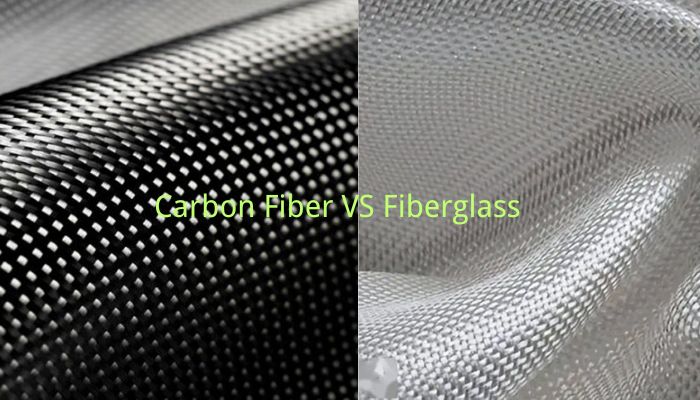
1. What is Carbon Fiber & Fiberglass?
Carbon Fiber
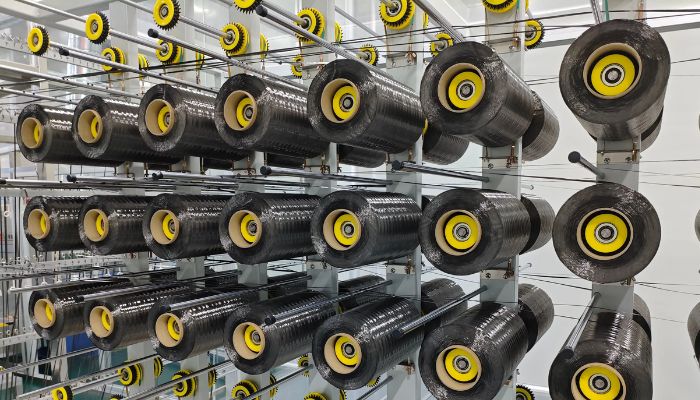
It is a high-performance polymer material with a carbon content of over 90%. It is formed by physical and chemical treatment of precursor organic fibers (such as PAN, rayon, petroleum asphalt, etc.).
Fiberglass
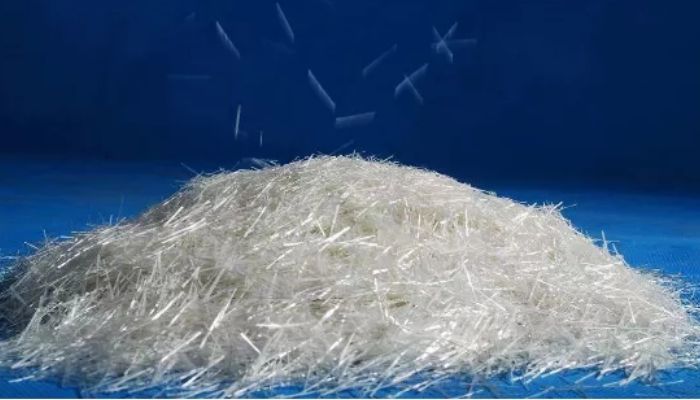
It is made by inorganic substances such as silicon dioxide, aluminium oxide, calcium oxide, etc., through a high-temperature melting and wire drawing process. It is a reinforcing material with high tensile strength, good heat resistance, and insulation.
2. Comparison of Material Properties
The comparison indicators of physical and chemical properties between carbon fiber and glass fiber are as follows
| Performance Indicators | Carbon Fiber | Fiberglass | Comparison Result |
| Tensile strength (MPa) | 3000-7000(High modulus) | 1000-3500 | Carbon fiber is 2 to 3 times stronger than fiberglass. |
| Elastic modulus (GPa) | 250-700 | 60-90 | Carbon fiber is 4 to 8 times stronger than fiberglass. |
| Density | 1.5-1.7 | 2.3-2.7 | Carbon fiber weight is 30-40% lighter than fiberglass. |
| Coefficient of thermal expansion (×10⁻⁶/°C) | -1 -1.6(lengthwise direction) | 5.0-6.5 | Carbon fiber size is stable in the longitudinal direction. While fiberglass is isotropic, its dimensions remain stable in all directions. |
| Corrosion resistance | Excellent(no rust in humid environments and resistant to acids and alkalis) | Good(resistant to chemical corrosion, and prone to degradation when exposed to humid environments for a long time) | Carbon fiber is better |
| Electrical conductivity | Good conduct electricity | Good insulation | Fiberglass is better for insulation scenarios. |
| Impact toughness(kJ/m²) | 30-60(CFRP) | 50-180(GFRP) | Carbon fiber has low toughness and high brittleness. While fiberglass has slightly higher toughness and is prone to plastic deformation before fracture |
| Cost($/kg) | 20-50 | 2-5 | Fiberglass is more cost-effective |
3. Comparison of Advantages and Disadvantages
Carbon Fiber materials
- Advantages
- It has good fatigue resistance to withstand high strength, cyclic loads, and stresses.
- The ultra-high strength-to-weight ratio: The density of carbon fiber is ¼ that of metal, while its strength is 7 to 9 times that of metal. Under the same weight, its strength is 4 to 5 times that of metal.
- Corrosion-resistant: The reinforcing material formed by the combination of carbon fiber and epoxy resin is not rusting and is resistant to acids and alkalis.
- Disadvantages
- Poor toughness caused by high brittleness makes it very easy to break.
- The fabricating process is complex and time-consuming, leading to its high cost.
- The current recycling technologies and equipment are limited, making it difficult to recycle and prone to causing environmental pollution.
Fiberglass material
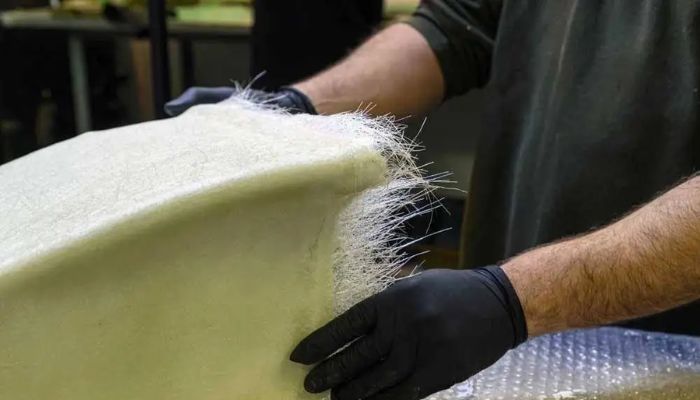
- Advantages
- It has poor electrical conductivity and can be used as an insulating material.
- The low cost enables it to be applied to more basic fields.
- It has high toughness and is not easy to break
- Disadvantages
- Poor weather resistance for a long time. When it’s exposed to high temperatures, humidity, and acidic or alkaline environments for a long time, its surface will be corroded, significantly reducing its performance.
- The heat resistance of glass fiber is worse than that of carbon fiber. In a long-term high-temperature environment, its performance will also decline significantly.
- The harm to human health and the environment: The filaments of glass fiber are particularly sharp. If they pierce the skin, they can cause a stinging sensation and inflammation. If inhaled into the lungs, they seriously endanger the respiratory system. The dust produced during the production and processing can also cause pollution to the environment.
4. Comparison of Application Fields
- Aerospace
Carbon fiber: It can significantly enhance the strength of unmanned aerial vehicles, aircraft frames, and structural components, while reducing weight and energy consumption.
- Automobile
Carbon fiber: It is applied to the body, doors, interior, and braking systems of high-performance vehicles. It’s lightweight and high resistance can reduce fuel consumption and enhance the ability to withstand impact.
- Sports equipment
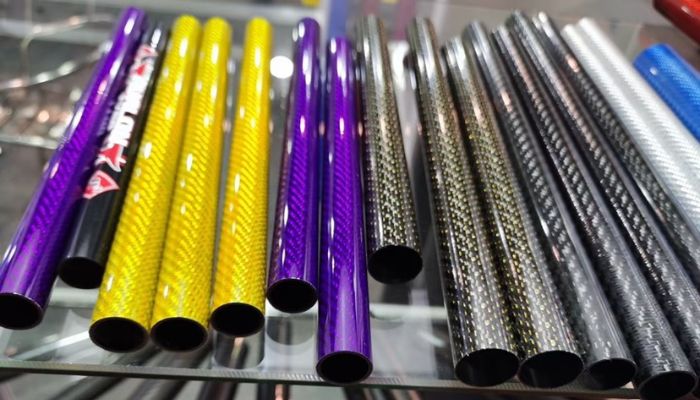
Carbon Fiber Tubes made by the rolled wrapping process have the characteristics of fatigue resistance and low weight. They can be applied to high-performance bicycle frames, fishing rods, golf clubs, and paddle handles, helping athletes reduce energy consumption and improve efficiency.
The tent poles are made of fiberglass. They can be used as tent supports to resist the invasion of wind and rain, and are easy to carry.
- Architecture and infrastructure
Carbon fiber: Reinforcing ropes for bridge engineering and trusses for bridge reinforcement, enhancing seismic performance and the capacity for cyclic loads.
Fiberglass: Its low cost and durability make it widely used in building materials, such as reinforcing cement and gypsum board for support, as well as insulation and waterproofing materials for heat insulation and waterproofing.
5. Conclusion
Carbon fiber and fiberglass materials have no distinction between good and bad. The final choice of which material to use depends on a comprehensive consideration of your performance requirements, application needs, and cost etc.
Also, you can tell us your solution requirement. Our R&D team at JCC will provide customized service for your carbon fiber parts& products.
 English
  Japanese
  German
  Spanish
  French
  Italian