

Carbon Fiber High Cost: What Makes it So Expensive?
As production technology continues to innovate, the carbon fiber manufacturing process will become more efficient, and the cost of carbon fiber products will decrease accordingly. However, this is not the case, and the high price of this advanced material is still staggering. In this article, we will delve into the reasons behind the high cost of carbon fiber and explain why, despite its increasing popularity, it remains an expensive choice.
“Why is carbon fiber so expensive?” This question has been a focal point in the modern industry. Let’s explore the reasons.
Before we dive into the cost factors, it’s essential to understand what carbon fiber is.
1. Understanding Carbon Fiber
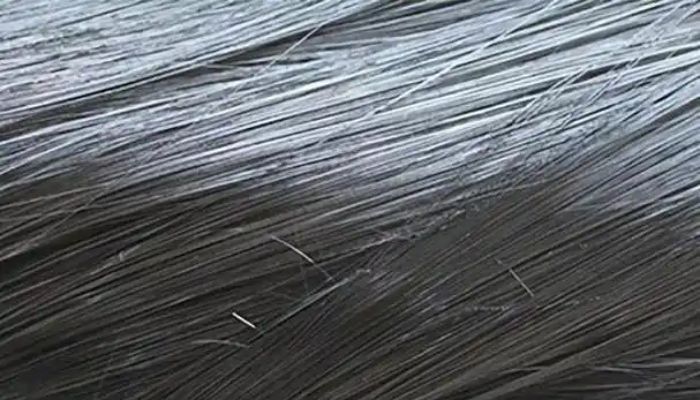
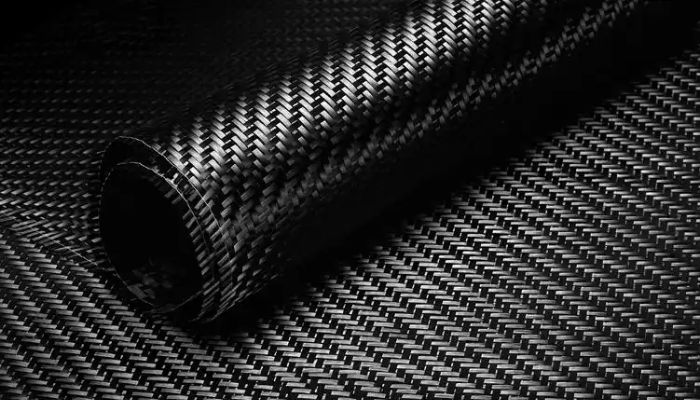
Carbon fiber is a polymer composed of long, strong carbon crystal filaments containing over 95% carbon. It’s a high-performance fiber material with high strength and rigidity, which forms reinforced composite materials when combined with thermosetting resins.
2. Raw Material Costs
The raw materials for carbon fiber are expensive, and primarily derived from high-molecular organic compounds (polyacrylonitrile, rayon, or petroleum pitch). Their preparation is difficult and energy-intensive, keeping production costs consistently high.
Generally, about 2-2.5 tons of PAN precursor are needed to produce 1 ton of carbon fiber, costing about 35-100US dollars per pound, 4-5 times that of steel. For those wondering about the “carbon fiber price per kg,” this figure might be surprising.
3. Complex Carbon Fiber Production Process
The “Carbon fiber manufacturing process explained” can help us understand the reasons for its high cost. The high cost of carbon fiber begins with its complex production process, involving several energy-intensive and technically demanding steps:
Precursor Production:
The production of carbon fiber precursors is itself a complex and time-consuming process. First, the carbon fiber precursor matrix (mainly Pan, rayon, or petroleum asphalt) is spun, washed, and stretched to form a long filament of fiber tow polymer, which is the main raw material for carbon fiber materials.
The manufacture of PAN filament requires an ultra-clean environment + precise temperature control, and the breaking rate directly affects the cost.
For example, 1 ton of carbon fiber consumes about 2.5 tons of PAN filament.
Oxidation, carbonization, and surface treatment:
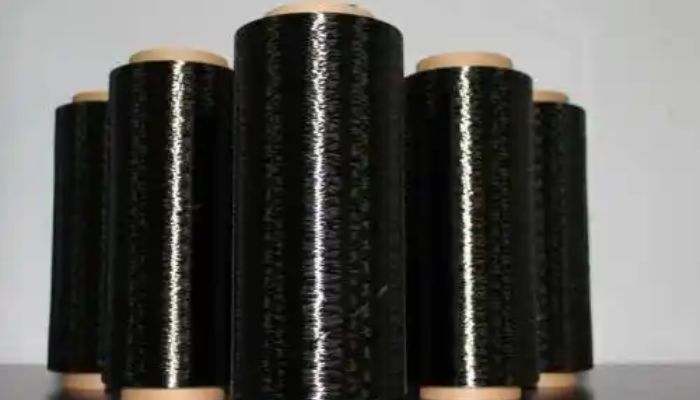
Mechanical and chemical processes are used to rearrange the polymer (fiber tow) molecules. After oxidation stabilization and low-temperature and high-temperature carbonization, high-modulus and high-strength carbon fibers are formed. Finally, surface treatment and sizing are performed and then wound into a shaft. The entire process requires strict control of temperature and parameters.
Energy consumption:
Carbon fiber production is extremely energy-intensive, especially during the oxidation and carbonization stages. This high energy consumption directly leads to an increase in production costs.
- Multi-stage high-temperature carbonization takes a long time: pre-oxidation (200-300°C), low-temperature carbonization (700°C), high-temperature graphitization (1500-3000°C)
- Energy consumption is extremely high: producing 1 ton of carbon fiber consumes approximately 30,000 kilowatt hours (equivalent to the monthly electricity consumption of 300 households)
Production of carbon fiber composite materials:
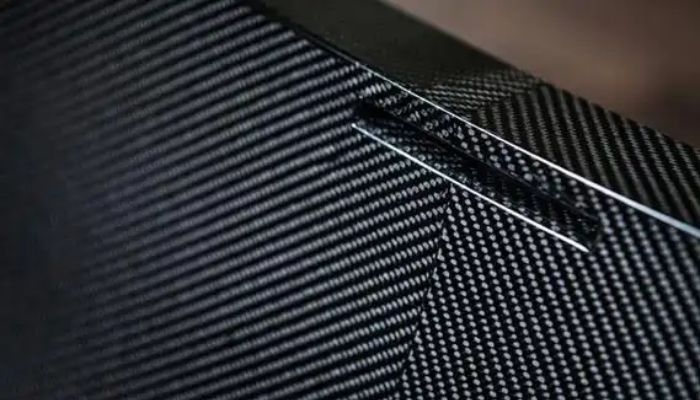
Carbon fiber raw filaments have amazing tensile strength and can be woven into fabrics with various patterns. But how can carbon fiber fabrics be used in different industries?
This requires carbon fiber composite materials. However, carbon fiber fabrics or raw filaments alone cannot form high-strength parts of various shapes.
For example, the molding process used to manufacture carbon fiber parts of various complex shapes requires the carbon fiber filaments or fabrics to be pre-impregnated in thermosetting resin (epoxy resin) and then placed in the mold. The mold is heated at high temperature, vacuumed, or pressurized to solidify and form.
Or the filament winding molding process used to manufacture products with rotationally symmetrical shapes such as circular pipes, pressure vessels, storage tanks, etc.: The carbon fiber material soaked in the matrix (such as epoxy resin) is wound on the mandrel according to a specific winding rule (0°/45°/90°), and then solidifies and forms. The products made by winding molding can be arranged neatly according to certain structural rules, which can give full play to the strength of the carbon fiber.
4. Specialized Equipment and Experienced Technicians
Carbon fiber raw filament: The main equipment needed in the manufacturing process includes spinning machines, drafting machines, heat treatment equipment, oxidation furnaces, carbonization furnaces, and cutting machines. The cost of this equipment is relatively high and requires relatively high energy consumption and high cost.
Carbon fiber composite materials: For example, the manufacturing of carbon fiber parts requires textile machines, resin infusion equipment, heat presses, molding machines, performing presses, and other equipment.
Experienced technicians: The manufacturing process of carbon fiber composite parts includes molding, sorting, cutting, and processing carbon fiber into finished products. The complexity of the manufacturing equipment and the difficulty of the process determine that experienced technicians are required to strictly control various parameters and temperatures when operating these equipment to ensure the accuracy of each link, and to produce highly consistent products.
5. Market Demand and Supply Imbalance
“Carbon fiber market demand trends” show that global demand for carbon fiber is increasing year by year, but due to the complexity of the manufacturing process, supply remains limited, leading to a severe imbalance between market demand and supply.
The global demand for carbon fiber is increasing year by year, and its application has gradually extended to aerospace, automotive parts manufacturing, medical equipment, outdoor sports equipment, and industrial electronic equipment. However, due to various factors such as the complexity of its manufacturing process, the global annual carbon fiber production is only about 200,000 tons (compared to 1.8 billion tons of steel). The supply is too small, resulting in a serious imbalance between market demand and supply. Therefore, the fixed cost per ton of carbon fiber materials is relatively high.
6. R&D Investment and Recycling Issues
The impact of R&D investment on price:
Continuous technological innovation: The carbon fiber industry needs to continue to invest a lot of money and technical personnel in research and development to gradually improve production processes, improve material performance and develop new application areas. The cost of these R&D investments will ultimately be reflected in the price of carbon fiber products. For example, developing a more efficient carbonization process or finding lower-cost precursor materials will require significant R&D investment.
Impact of recycling issues on price
Recycling technology is complex: With current technology, recycling of carbon fiber composites is a challenge. The current recycling process of carbon fiber is complex and costly, which limits the use of recycled materials and indirectly leads to the high cost of virgin carbon fiber.
Quality of recycled materials: Currently recycled carbon fiber is generally not as good as virgin material, which limits its application scope. Technologies to improve the quality of recycled materials require further research and development, adding to costs.
In general, the impact of R&D investment and recycling issues on carbon fiber prices is complex. In the short term, these factors may increase costs and prices. But in the long term, successful R&D and effective recycling systems may lead to increased production efficiency and lower costs, ultimately helping to lower the price of carbon fiber.
7. Performance and Return on Investment (ROI)
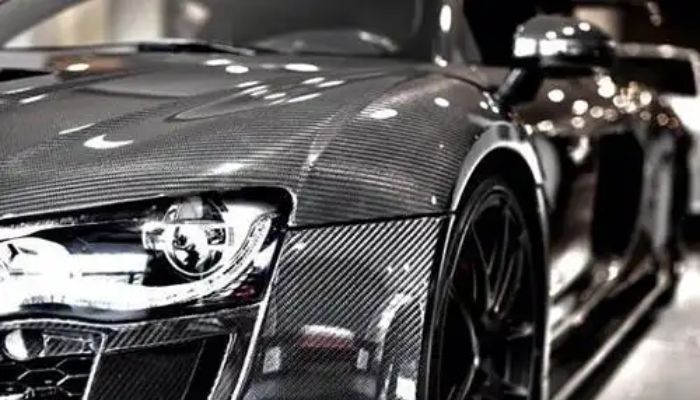
Compared to traditional materials such as steel or aluminum, carbon fiber is significantly more expensive.
Weight saving comes with fuel saving: Despite the high cost, the long-term benefits of carbon fiber in certain applications may offset its high upfront cost. For example, in “Carbon fiber applications in the aerospace industry,” its lightweight properties can lead to significant fuel savings.
Durability: Carbon fiber composites generally last longer than traditional materials, potentially reducing replacement and maintenance costs.
Design flexibility: The manufacturing process of carbon fiber materials allows for more complex and efficient designs, potentially delivering performance improvements that justify the high cost.
8. Future Outlook: Will Carbon Fiber Prices Fall?
Technological breakthrough direction
With the gradual improvement of production technology, the development of bio-based PAN and new copolymers will reduce the cost of carbon fiber precursors.
The development of industrial automation can promote the improvement of continuous production efficiency, such as 3D printing raw filament and microwave carbonization technology (energy consumption reduced by 40%).
Market expansion
Carbon fiber materials are gradually being used in new fields. The growing demand for wind turbine blades in wind energy, the automotive industry (carbon fiber sports cars such as Tesla Cybertruck), or the construction field can continue to promote the large-scale production of carbon fiber.
9. Conclusion
The high cost of carbon fiber is a result of its complex production process, specialized equipment requirements, high energy consumption, and current market dynamics. Although it is currently still an expensive material, its superior properties make it indispensable in many high-performance applications, and the benefits can outweigh the cost.
With technological advancement and market development, the cost of carbon fiber may gradually decrease. However, it will likely remain a high-end material for the foreseeable future. The value of carbon fiber lies not only in its material properties but also in the performance improvements and long-term benefits it brings to a variety of applications. For industries where strength, lightweight, and durability are critical, carbon fiber is proving its worth despite its hefty price tag.
 English
  Japanese
  German
  Spanish
  French
  Italian