


How to Cut Carbon Fiber Safely and Efficiently
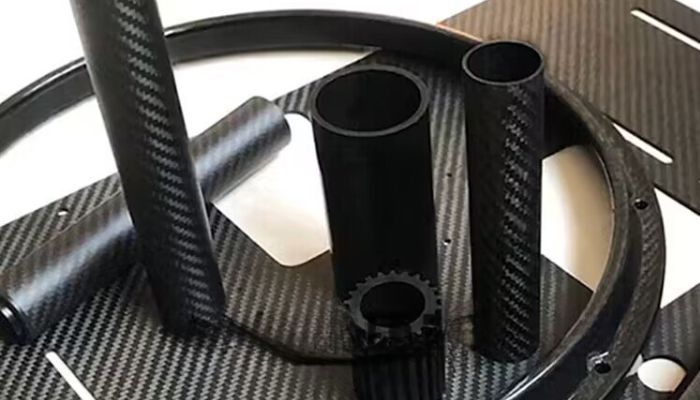
Carbon fiber, renowned for its exceptional performance, has become the material of choice in industries such as aerospace, automotive parts, outdoor sports equipment, and medical devices. However, due to its unique combination of high strength and brittleness, cutting carbon fiber is no easy task. Incorrect cutting methods can lead to material delamination, and frayed edges, and even affect the final product performance. Therefore, mastering the correct cutting techniques is crucial.
This guide aims to help you understand and learn how to cut carbon fiber safely and efficiently. Whether you’re looking to try your hand at cutting carbon fiber for DIY projects, need to modify factory carbon fiber parts (such as seat posts or handlebars), work with carbon fiber sheets (for creating custom shapes), or optimize production processes, this article will provide you with comprehensive guidance—from precautions and tool selection to step-by-step instructions and post-cutting finishing. By reading this article, you’ll learn how to address common cutting issues, improve cutting quality, and mitigate risks to ensure safety and environmental protection.
1. Why Does Carbon Fiber Need Professional Cutting?
If you’re unfamiliar with carbon fiber, it’s essential to learn about it before cutting. Carbon fiber typically refers to carbon fiber-reinforced composites, which are usually made by combining carbon fiber with a resin matrix (such as epoxy resin) through pre-impregnation.
Cutting carbon fiber generally involves cutting carbon fiber composites. When pre-impregnated carbon fiber combined with epoxy resin is cut or sanded with high-speed tools, it produces toxic dust. If inhaled, this dust can cause irreversible damage to the respiratory system.
Additionally, the high strength and rigidity of carbon fiber make it brittle. Under strong impact, it is prone to cracking. Improper cutting can result in frayed edges, delamination, or breakage, as well as dust contamination. Professional cutting is necessary to preserve the material’s performance and avoid harm to the respiratory system from carbon fiber dust.
Therefore, it is recommended to use appropriate protective equipment and specialized tools when cutting carbon fiber composites at high speeds.
2. Safety Operating Guidelines
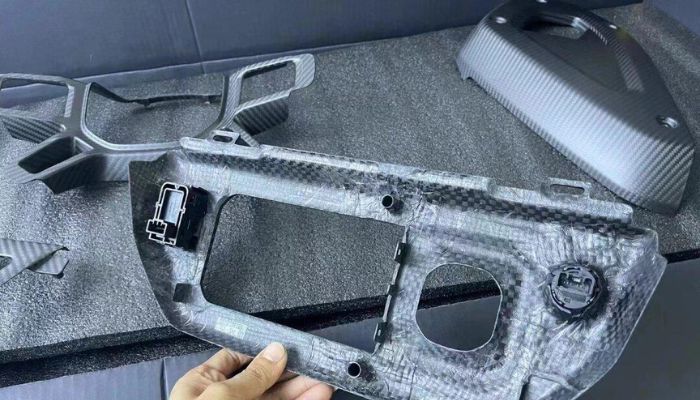
1)Main Risks:
Health Hazards
- Dust Hazards: Cutting carbon fiber, especially with high-speed tools like electric drills, generates fine dust that can enter skin pores, irritating. During sanding, dust can enter the eyes, leading to discomfort. If inhaled, it can block lung cells, harming the respiratory system.
- Due to the electrical conductivity and wear of carbon fiber dust, it may damage electronic equipment such as computers and notebooks. At the same time, cutting carbon fiber materials in a closed high-temperature environment, dust accumulation to a certain concentration may cause an explosion.
- Resin Toxicity: While the resin is generally non-toxic at room temperature, certain resins (like epoxy resin) can release toxic fumes when heated by high-speed tools, posing health risks.
Physical Injuries
- Sharp edges and fragments produced during cutting can easily cut unprotected skin.
- High-speed tools, if misused, can cause bodily harm.
2) Precautions and Protective Measures
Respiratory Protection:
- Wear a dust mask or respirator. Avoid using ordinary dust masks; opt for P1-grade masks for light work and P2/P3-grade reusable respirators (with sealing strips) for regular tasks.
Skin Protection:
- Wearing surgical gloves and nitrile gloves can prevent fine dust, but when cutting or using power tools for a long time, it is best to wear long leather gloves or mechanical gloves that can cover the arm, and it is best to wear a protective suit
- Take care to protect the skin, because carbon fiber debris can irritate the skin during the cutting process, especially the skin between the fingers, producing allergic reactions such as itching. If the dust gets on the skin, you must wash your hands immediately with cold water. It is not recommended to wash with warm or hot water, because it will expand the pores quickly, which will aggravate the carbon fiber dust penetration into the skin and cause irritation. Also, be aware that sharp carbon fiber edges can cut skin.
Eye Protection:
- Wear safety goggles or a full-face shield, especially when using power tools.
Environmental Control:
- Use a vacuum cleaner to capture dust when working at home, or industrial dust extraction systems in workshops. (such as industrial dust collector)
- Ensure proper ventilation or use exhaust systems.
- Avoid working near electronic devices.
3) Preparation
- Wear full protective gear: goggles, earplugs, and a respirator.
- Put on long-sleeved gloves or a full-body suit.
- Measure the cutting dimensions twice for accuracy.
- Mark the cutting line with a silver marker or masking tape, leaving some margin for sanding and polishing.
- For carbon fiber sheets, prepare backing material to prevent chipping. For tubes, secure them in a support fixture to avoid movement during cutting.
- Prepare cutting tools: diamond-coated abrasive cutting blades, diamond saw blades, tungsten carbide blades, or laser cutters.
- Have finishing tools ready: sandpaper or other abrasive surfaces.
3. Cutting Tools and Methods
Cutting carbon fiber isn’t particularly difficult. Many believe that expensive or specialized tools are required, but this isn’t the case. Choosing the right tool for the material makes the process straightforward.
Cutting Carbon Fiber Sheets https://jccmfg.com/carbon-fiber-sheets/

1) Hand Saw (Hacksaw/Wire Saw): Use a fine-toothed metal-cutting blade (32+ TPI) for straight or simple curved cuts on pre-impregnated carbon fiber sheets.
2) Rotary Tool (Dremel): Equipped with a diamond cutting wheel or tungsten carbide blade, it’s ideal for small or complex shapes. Use a metal drill bit to create a hole in the sheet, then cut with a wire saw.
3) Jigsaw: Fitted with a high-quality carbide-tipped blade, it’s perfect for long straight cuts and tight corners. Use backing material to prevent chipping.
4) Angle Grinder: Suitable for quick straight cuts, but requires caution and safety gear due to its speed and sharpness.
5) CNC or water knife: mainly used for high-precision cutting complex shapes, such as drone parts, automotive parts, and other professional equipment CNC milling machine or router (CNC with tungsten carbide down cutting cutter, water knife need to support anti-delamination).
Cutting Carbon Fiber Tubes and Rods https://jccmfg.com/carbon-fiber-tubes/
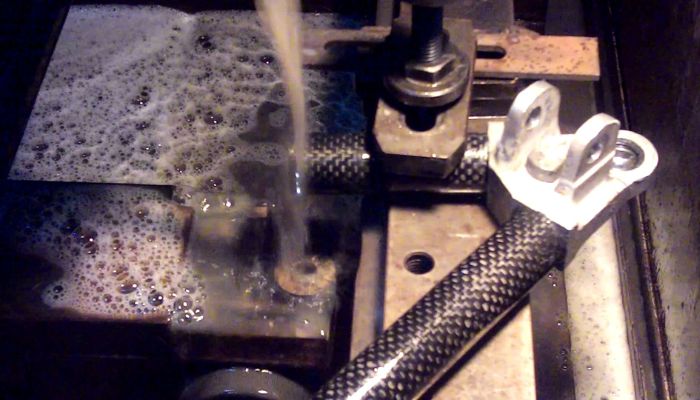
1) When cutting carbon fiber pipes, the following tools or methods are recommended:
- Diamond-Coated Cutting Wheel (Non-Toothed Blade): Toothed blades can grab fibers, causing delamination. Thicker tubes may overheat, softening the resin and causing the blade to “stick.” Use segmented blades and cool the cutting surface.
- Wet Saw or Waterjet Cooling System: When the carbon fiber pipe wall is thick, the thick wall pipe should be cooled with flowing water to prevent the resin from softening after overheating.
- Support Fixture: Secure the tube at both ends to prevent vibration during cutting.
2) Common Issues and Solutions
The main core problem of carbon fiber pipe cutting is that improper cutting can lead to fracture, delamination, burr edge, and high temperature. Therefore, the following points should be noted:
- Delamination: often occurs when cutting unidirectional pipes. Individual filaments or strands can tear from the remainder of the composite material. Therefore, you need to slow down the cutting speed and slowly let the pipe wear through by itself. You cannot force the blade through the pipe. Also remember to use a thinner, finer blade.
- Burrs: typically appear in the last few seconds of cutting, where the carbon fiber tube begins to break as the final filaments are cut. Therefore, it is necessary to use clamps to fix both ends of the tube before cutting begins to avoid movement during cutting.
- Overheating: is usually caused by severe friction, and this phenomenon often occurs when cutting carbon fiber tubes with thicker walls. Therefore a stream of liquid is used as a coolant to reduce the heat or slow down the cutting speed.
4. Finishing Work

To achieve smooth edges on cut carbon fiber parts, follow these steps:
Coarse Sanding (120 to 180-grit sandpaper): First wrap the sandpaper block with coarse sandpaper and sand in one direction along the cut edge (avoid rubbing back and forth causing the fibers to loosen). Focus on dealing with broken edges, burrs, and obvious bulges, and polish until the edges are flat and smooth.
Fine Sanding (200 to 400-grit sandpaper): Change to medium-fine sandpaper and sand in a circular or one-way motion to eliminate any traces of rough sanding. Finally, check whether the edges are even, and if necessary, lightly scrape with your fingernail to test the smoothness.
Complex Shapes or Corners: Use a round fine-toothed metal file (such as a semi-circle file) to shape the inside corners or curves, and then wrap the file with sandpaper and grind it finely.
Polishing (600+ grit sandpaper or polishing paste): Use ultra-fine sandpaper or a polishing cloth for a glossy finish. For a mirror finish, apply automotive wax or epoxy resin.
Dust Cleanup: Use a vacuum or damp cloth to remove residual dust, avoiding damage to electronic devices.
Special treatment: Edge Sealing (optional)
If the cut carbon fiber parts are exposed to moisture or corrosive environments, further sealing treatment is required (such as ships, and outdoor equipment).
Mix an epoxy (such as West System Epoxy Glue) and apply it thinly to the cut edge with a brush or cotton swab.
After curing, lightly sand with 800-grit sandpaper to remove resin scum, then polish.
5. Summary
While there are a variety of troubles you can encounter when cutting carbon fiber, these are the most common. We have been machining and cutting carbon fiber tubes for many years and have experienced every possible problem. If you run into trouble, please contact us for practical advice and help.
 English
  Japanese
  German
  Spanish
  French
  Italian